r (@r@fed.brid.gy)
Billionaire Elon Musk Says Money Can’t Buy Happiness; Social Media Explodes

Show Original Post
A7Production (@A7Production@mastodon.social)
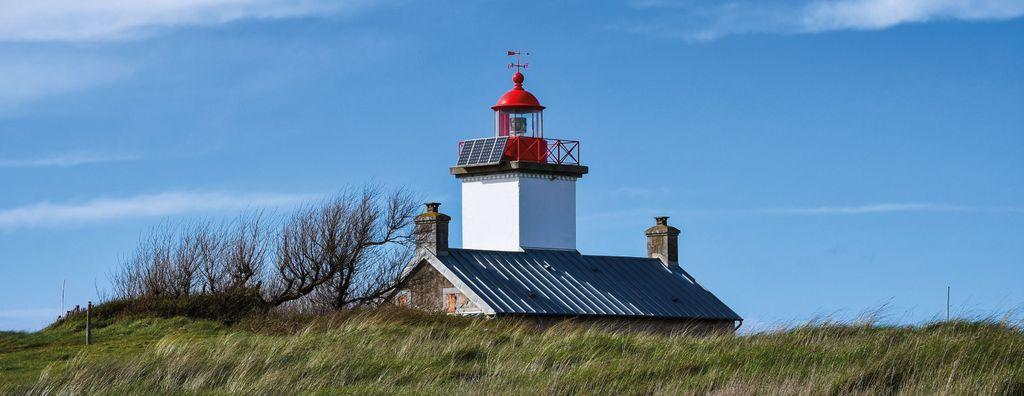
🔴Hello Hello ! Ou êtes vous ? C'est calme par ici. ✅
https://a7productions.blogspot.com/p/7-radio-100-mix.html
#World #Travel #Voyages #France #Photography #Music #Media #Live #Podcast #A7Radio #Radio #Streaming #Webradio #Paris #Mix #Dj #Social #Motivation #Pixelfed #Socialmedia #Fediradio
Show Original Post
simsus (@simsus@social.tchncs.de)
#DoomScrolling und Suchtgefahr: #EU 🇪🇺 -Kommission fordert Änderungen bei #TikTok | heise online https://www.heise.de/news/Doom-Scrolling-und-Suchtgefahr-EU-Kommission-fordert-Aenderungen-bei-TikTok-11168302.html #SocialMedia #DigitalServicesAct #DSA
Show Original Post
pachac (@pachac@mastodon.social)
DUBSTEP + GRIME SESSION
AUDIO : https://ahp.li/eafaa638bcc0afb6026e.mp3
#nowplaying #mastoart #music #musica #release #podcast #radio #art #digitalArt #mix #musique #edm #heavy #streaming #stream #audio #media #show #breaks #electronic #bass #play #releases #techno #Breaking #mastodon #newmusic2026 #label #groove #soundcloud #podcasts #club #BreakingNews #dubstep #dj #download #media #news #radio #business #socialmedia #europe #france #anime #radio #blog #grime #new #freedom #dub #prod
Show Original Post
simsus (@simsus@social.tchncs.de)
#VibeCoding nach dem Tiktok-Prinzip: So funktioniert Gizmo | t3n https://t3n.de/news/vibe-coding-nach-dem-tiktok-prinzip-so-funktioniert-gizmo-1728304/ #ArtificialIntelligence #SocialMedia
Show Original Post
Strangphotography (@Strangphotography@mastodon.social)
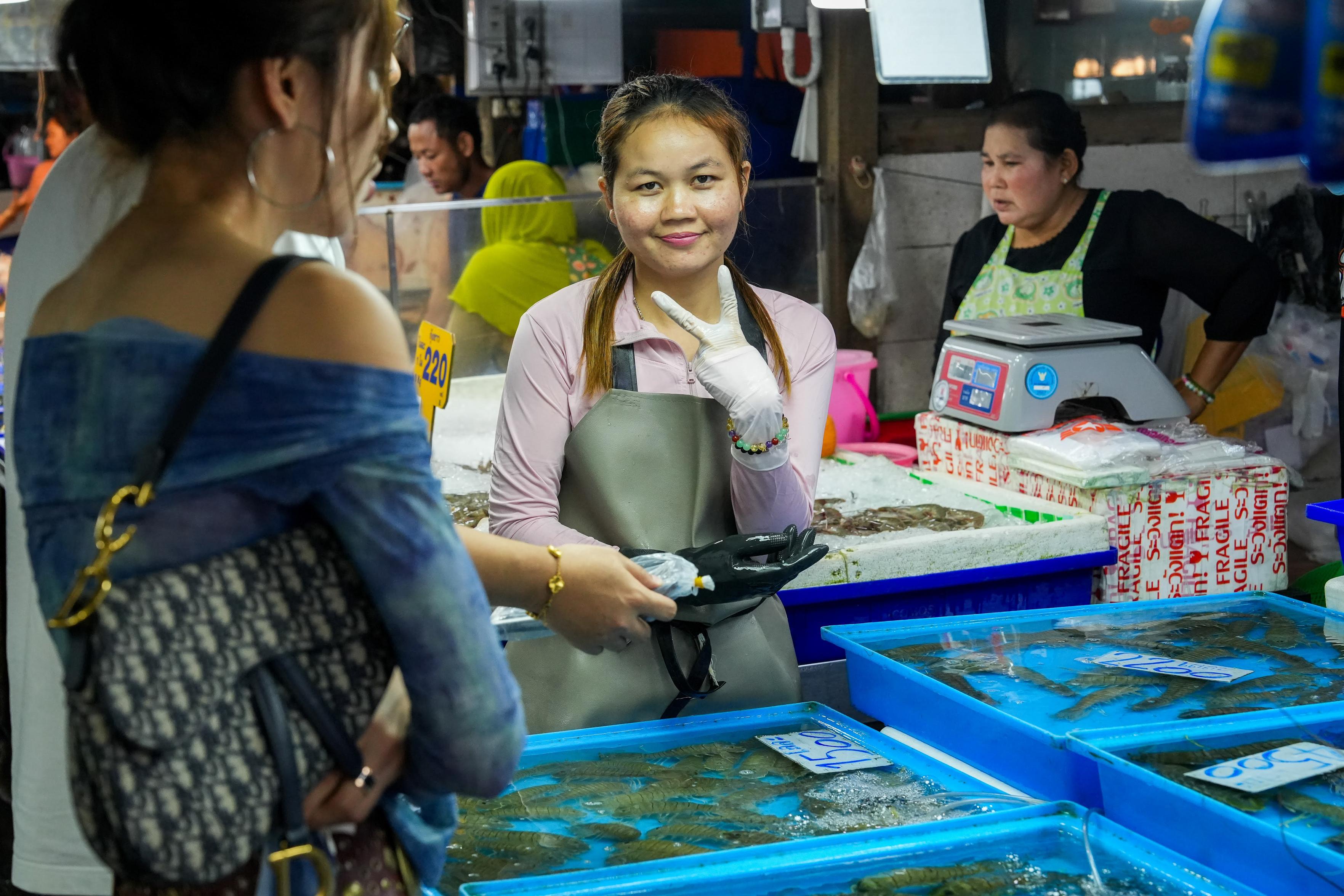
📸 Seafood Vendor at Lan Pho Na Kluea Market nearby Pattaya – Thailand Street Photography
Captured with my Sony Alpha 7 IV and Sony FE 24–70mm f/2.8 GM II
#Photography #travelphotography #socialmedia #Thailand #streetphotography
I also published this image on Lumenira, a site for ambitious photographers.
Tap to see more
https://lumenira.com/image/a272aaf2-ebf9-f135-d30d-4f37d5482245
Show Original Post
i-spent-a-large-part-of-the-day-making-social-media-banners-for-people (@i-spent-a-large-part-of-the-day-making-social-media-banners-for-people@opensorceryy.co)
I spent a large part of the day making social media banners for people.
These are a few of my favorites:
I was inspired to do this by listening to the podcast I Like Your Work, and I listened to the latest episode while making a banner that is unfortunately not shown here.
If you want a banner, feel free to reach out to me on socials and we can set something up!
-Allēna
#digitalart #digitalpainting #socialMedia
Show Original Post
Quasit (@Quasit@kolektiva.social)
There should be a group called "Digital Refugees", for people who've left their social media accounts. For example, for people like me who were active on Google Plus. Or Facebook. Or Reddit. Or GoodReads. Or MySpace. Etc.
Show Original Post
p (@p@pixelfed.de)
Weiter in einer Serie zu Alternativen. Heute zu #SocialMedia. (auf Pixelfed gekürzt https://kielkontrovers.com/posts/26/02-social-media-alternativen/)
Das Internet würde zu einem Eldorado für Silicon Valley und Kriminelle, die mit der Naivität und der Erwartungshaltung von “einfachem” Internet das schnelle Geld machen wollten. Dann kam die Dot-Com-Blase und ihr Zusammenbruch. Auch an den Börsen. Weil der Widerspruch zwischen Erwartungen und Realität zu groß wurden.
#Enshittification
Einiges blieb. 2003/2004 erlebte mit MySpace und Facebook Social Media seinen Aufstieg. Es bediente im Grunde Bedürfnisse der Menschen als “soziales Tier”. Neugier, Gossip, Menschen kennenlernen, kommunizieren. Aber gerade mit Facebook entstanden große Gatekeeper. Also die Frage: Wem gehört das Netz? Wem gehören unsere Daten? Aber da sagten Viele: Ist doch egal, ich will bei FB sein! Cory Doctorow hat dafür den Begriff “Enshittification” popularisiert:
Enshittification beschreibt einen Prozess, bei dem digitale Plattformen – wie soziale Netzwerke, Streaming-Dienste oder Online-Marktplätze – schrittweise die Qualität und Nutzerfreundlichkeit ihrer Angebote verschlechtern, um kurzfristige Profite zu maximieren.
Typischerweise beginnt es mit der Anlockung von Nutzern durch attraktive, oft kostenlose oder nutzerfreundliche Features. Sobald die Plattform eine dominante Marktposition erreicht hat, werden die Bedingungen für Nutzer schrittweise verschlechtert: durch aufdringliche Werbung, bezahlte Priorisierungen, Einschränkung von Funktionen oder die Einführung von Abo-Modellen.
Am Ende leiden die Nutzer unter einer schlechteren Erfahrung, während die Plattform ihre Monopolstellung ausnutzt, um Gewinne zu steigern, oft auf Kosten von Inhaltsqualität, Datenschutz oder Fairness.
Solution
Ich möchte nicht zu viel über Instanzen wie Instagram oder Tiktok sprechen. Generell versuchen sie eben, User einzusperren, sie nutzen ihre Daten, um KIs zu trainieren, sie arbeiten mit Faschisten zusammen und sind fundamental antidemokratisch. Mit ihren Algorithmen fördern sie oftmals den Dissens und Parteien wie die AfD oder bei uns Medien wie WELT TV. Netzwerke von Milliardären, denen es lieber ist, wenn wir uns gegenseitig zanken, während sie unsere Demokratie mit Geld beeinflussen. Alles andere also als unabhängige und neutrale Medien. Es gäbe auch viel zur Medienlandschaft zu sagen. Zu Medienkonzernen und zum Öffentlich-rechtlichen Rundfunk. Aber nicht heute und nicht hier.
Der Kern ist eigentlich der, dass wir unser Leben nicht Milliardären vertrauensvoll in die Hände legen sollten, die gegen unsere Interessen handeln. Die uns mit Werbung beeinflussen. Die geholfen haben, den Brexit herbeizuführen und Trump zur Macht verholfen haben. Es geht hier wirklich um Grund- und Menschenrechte und den Erhalt unserer Demokratie!
Die Lösung ist, Plattformen zu benutzen und zu betreiben, die vielfältig sind und “uns” gehören. Um das im großen Stil zu machen, ohne dass es Nachteile gibt, dass man an Limits kommt, muss man auf föderierte System setzen.
Das Fediverse
Das Fediverse hat seinen Ursprung vor allem mit dem Projekt StatusNet (später GNU Social), das 2008 gestartet wurde.
Die Technik dahinter ist dabei gar nicht so entscheidend. Es geht nur darum, dass verschiedene Systeme/Instanzen miteinander reden und Daten austauschen. Das heißt es bedarf nicht mehr des EINEN GROSSEN Servers. Und damit sinkt auch das Risiko der Abhängigkeit, oder der Möglichkeit, dass Diktaturen und Geheimdienste Inhalte sperren und Dissidenten verfolgen.
Wer jetzt glaubt, dass wir in unserer Demokratie solche Probleme nicht haben, dem möchte ich doch den Blick in die USA empfehlen, wo inzwischen Journalisten verfolgt werden. Und die Demokratie am Abgrund steht. Eine AfD-Bundesregierung in Deutschland wird jedes Jahr wahrscheinlicher. Und wir wissen, was sie von freier Meinungsäußerung und Demokratie halten.
Die heutigen Alternativen heißen zB:
#Mastodon statt Twitter/X/Bluesky (wobei Bluesky zwar auch kompatibel zum Fediverse ist, aber dennoch zentralistisch ist)
#Pixelfed statt Instagram (ich komme zB seit einer Woche auch gar nicht mehr in Instagram rein, vermutlich weil ich einen sicheren Browser verwende)
#PeerTube statt Youtube
Weiterlesen unter https://kielkontrovers.com/posts/26/02-social-media-alternativen/

Show Original Post
2026 (@2026@drwebdomain.blog)
The real reason why Jeff Bezos killed the Washington Post. – Slate
Jeff Bezos Killed the Washington Post
The billionaire wanted the Post to die, because a vigorous, well-resourced newspaper does not help his bottom line.
By Alex Kirshner, Feb 05, 202611:07 AM
Photo illustration by Slate. Photos by Arnold Jerocki / FilmMagic and Andrew Harnik /Getty Images.Sign up for the Slatest to get the most insightful analysis, criticism, and advice out there, delivered to your inbox daily.
Jeff Bezos killed the Washington Post on Wednesday. The paper survives as a husk, but the institution that became one of the cathedrals of world journalism is gone. The biggest mistake one could make in analyzing this corporate slaughter is to lay the blame solely on the state of journalism. That’d be wrong.
Times are hard in journalism, just like they always are. The big new problem is A.I. swallowing up search traffic, which itself had already sucked up the ad revenue that used to go to newspapers and magazines. Otherwise, all of the things that have been hard for the past 20 years are still hard now. Powerful corporate interests have captured great newsrooms, or run their own old family businesses into the ground. Fox News, social media, and podcasts—in that chronological order—have cocooned a lot of people to want only “news” that isn’t really news. Megyn Kelly is now a red-meat podcaster instead of an occasionally punchy Fox host.
The Post laid off 300 journalists on Wednesday. This included more or less the entire remaining staff of the paper’s legendary sports section, which produced several of the best writers to ever do the job. The days of the superstar columnist with the biggest megaphone in town were long gone, but the section remained tremendous. The paper slashed its international coverage, laying off a journalist who found out as she reported from Kyiv. Many editors across desks lost their jobs. Worst of all, not that it’s a contest, but the Washington Post will now be a lot less Washingtonian. The paper has fired at least a substantial chunk of its metro reporters, who serviced a city and region that have been under a multifront attack from the Trump administration.
In a stiff email, Post executive editor Matt Murray tried to make this move sound like yet another example of a tough business forcing tough decisions. “The ecosystem of news and information, on- and off-platform, is changing radically,” Murray wrote to his staffers, fired and not. He lamented the “serious decline” of search traffic. He wrote of increased competition from other people, other platforms.
AI image…He did not write about one specific person: Bezos, who bought the paper from the Graham family in 2013 for $250 million. (Note: Slate is owned by Graham Holdings, the company controlled by the Graham family.)
That is because Murray values his paycheck and didn’t want to point out the Post’s real cause of death—namely, that one of the richest people in human history staged a controlled burn to turn it into ash. Bezos wanted the Post to die, because a vigorous, well-resourced Washington Post does not suit his vision for the world or his own bottom line. The end of the Post is a matter not of journalistic economics but of Bezos’ incentives.
Whatever the Post is worth today is immaterial to Bezos’ wealth. It’s barely even what you’d call a rounding error. Bezos could sustain the Post’s operating losses for hundreds of lifetimes without even threatening his current wealth, let alone the additional wealth he and his heirs will amass passively in years to come from his stakes in Amazon, Blue Origin, and who knows what else.
A man worth more than $240 billion does not care even a little bit, in pure dollar terms, about a $100 million annual loss running a prestige business. When Bezos bought the paper, he made clear to the Post’s prior management that he viewed the paper not purely through a profit lens, the New York Times reported. Bezos wrote to Post employees, “The paper’s duty will remain to its readers and not to the private interests of its owners.” That turned out to be, at best, incredibly misleading.
The Post itself doesn’t affect Bezos’ vast fortune much, but what it represents does. One of the employees he laid off on Wednesday was the paper’s Amazon reporter, Caroline O’Donovan. More critically, even under Bezos’ ownership, the Post frequently published stories that upset the Trump administration, whose vindictive approach to regulation could pose obvious problems for Amazon and Bezos’ space company, Blue Origin.
Related From Slate
Bezos understood this risk more than a year ago, when he drove away 250,000 paying subscribers by stepping in to prevent the paper from endorsing Kamala Harris. Bezos then transformed the Post’s opinion section, away from a broad-based page and into a propaganda arm devoted to promoting “personal liberties and free markets.”
The paper’s executives and owner punted away from aggressively covering Trump’s second term, bleeding both subscribers and a general share of viral stories that instead went to competitors like the Times and Wall Street Journal. There was money to be made by investing in the paper’s reporting staff, who never stopped doing their best to provide honest (and necessarily adversarial) coverage of Trump. Bezos just didn’t want that money.
Editor’s Note: Read the rest of the story, at the below link.
Continue/Read Original Article Here: The real reason why Jeff Bezos killed the Washington Post.
#AI #Competitors #JeffBezos #Journalism #KatherineGraham #Killed #MattMurray #NewspapersChanging #RealReason #Slate #SocialMedia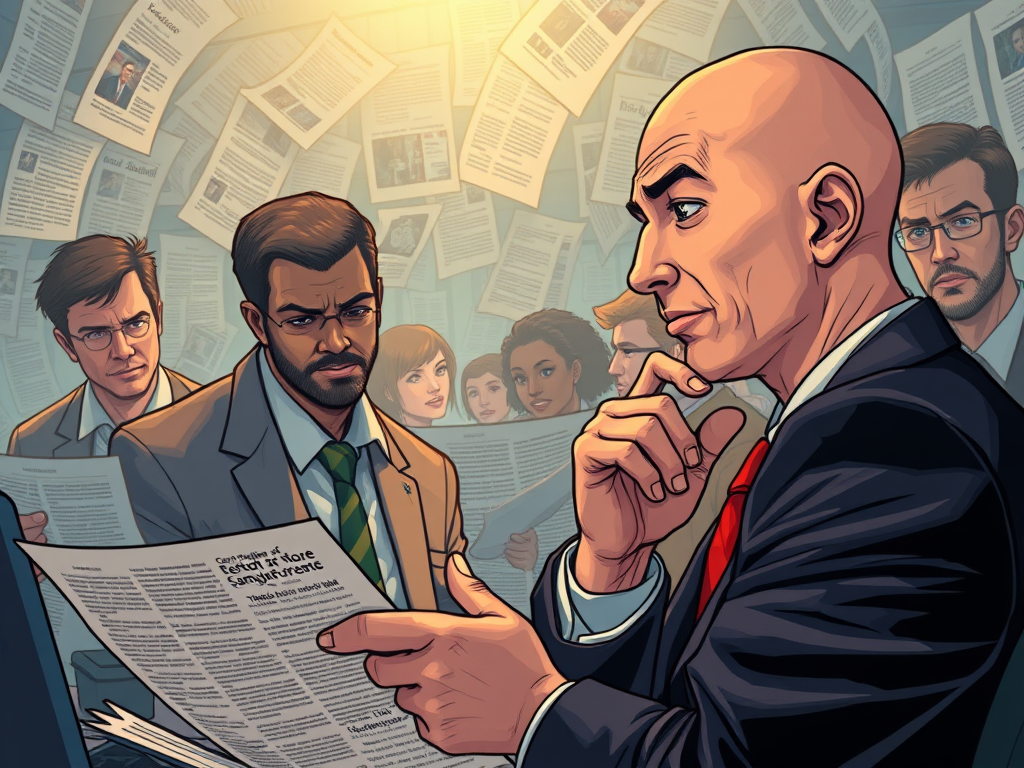
Show Original Post
countablenewt (@countablenewt@mastodon.social)
It’s not designed to replace your main Mastodon client, it’s not even really made to be much of one itself
What FediReader is for is to serve as a place to check out and comment on links and articles using the power of the Social Web account you already have
#SocialWeb #BuildInPublic #Developer #Mastodon #IndieApps #SocialMedia
Show Original Post
countablenewt (@countablenewt@mastodon.social)
FediReader hides post content by default, so you only get the links without the commentary, encouraging you to read the article before engaging
Tap the link to read the article and tap the post content to join in on the conversation
#SocialWeb #BuildInPublic #Developer #Mastodon #IndieApps #SocialMedia

Show Original Post