feed (@feed@igeek.gamer-geek-news.com)
🐧 Live out your witchy dreams in the open world adventure Witchspire in June
Witchspire looks like a sweet one! An open-world adventure that blends in exploration survival, magical abilities and even monster catching.Read the full article on GamingOnLinux.
📰 Source: GamingOnLinux Latest Articles
🔗 Link: https://www.gamingonlinux.com/2026/04/live-out-your-witchy-dreams-in-the-open-world-adventure-witchspire-in-june/
Show Original Post
peter_koenig (@peter_koenig@gruene.social)
@heiseonline @newsticker-heiseonline
Kluger Beitrag von Golo Roden.
Allerdings sehe ich ich das Problem an einer anderen Stelle, also Golo:
Wir haben ein fundamental dysfunktionales Entlohnungs- und Geheimhaltungs-System im Bereich des so genannten "geistigen Eigentums auf Software", das mit #TRIPS und #WTO in der regelbasierten Weltordnung 45 Jahre lang den Monopol-Aufbau gefördert hat. DAS müssten wir angreifen!
Show Original Post
joelindien (@joelindien@mastodon.social)
🐧 Actu logiciel libre du 22/04/2026
• À la recherche d'une alternative libre à Notion ou Obsidian : j'ai créé MindZ…
[LinuxFR Journaux] https://linuxfr.org/users/superjohn/journaux/a-la-recherche-d-une-alternative-libre-a-notion-ou-obsidian-j-ai-cree-mindzj-oss-via-vibe-coding
• Soul Player – Local-first Music Player Built for Privacy
[Linux Today] https://www.linuxtoday.com/blog/soul-player-local-first-music-player-built-for-privacy/
#LogicielLibre #OpenSource #Libre
Show Original Post
osmultitudes (@osmultitudes@higher-edu.social)
OSDN = Open Source Development Network.
Die Idee: offene Software für die Hochschullehre nicht nur nutzen, sondern ihre Weiterentwicklung besser koordinieren und langfristig absichern.
Mehr dazu: https://hochschuledigital-niedersachsen.de/project/open-source-development-network-2/
Ein Projekt der @unihannover
#OSDN #OpenSource #Bildungsinfrastruktur
Show Original Post
wheregroup (@wheregroup@mastodon.social)
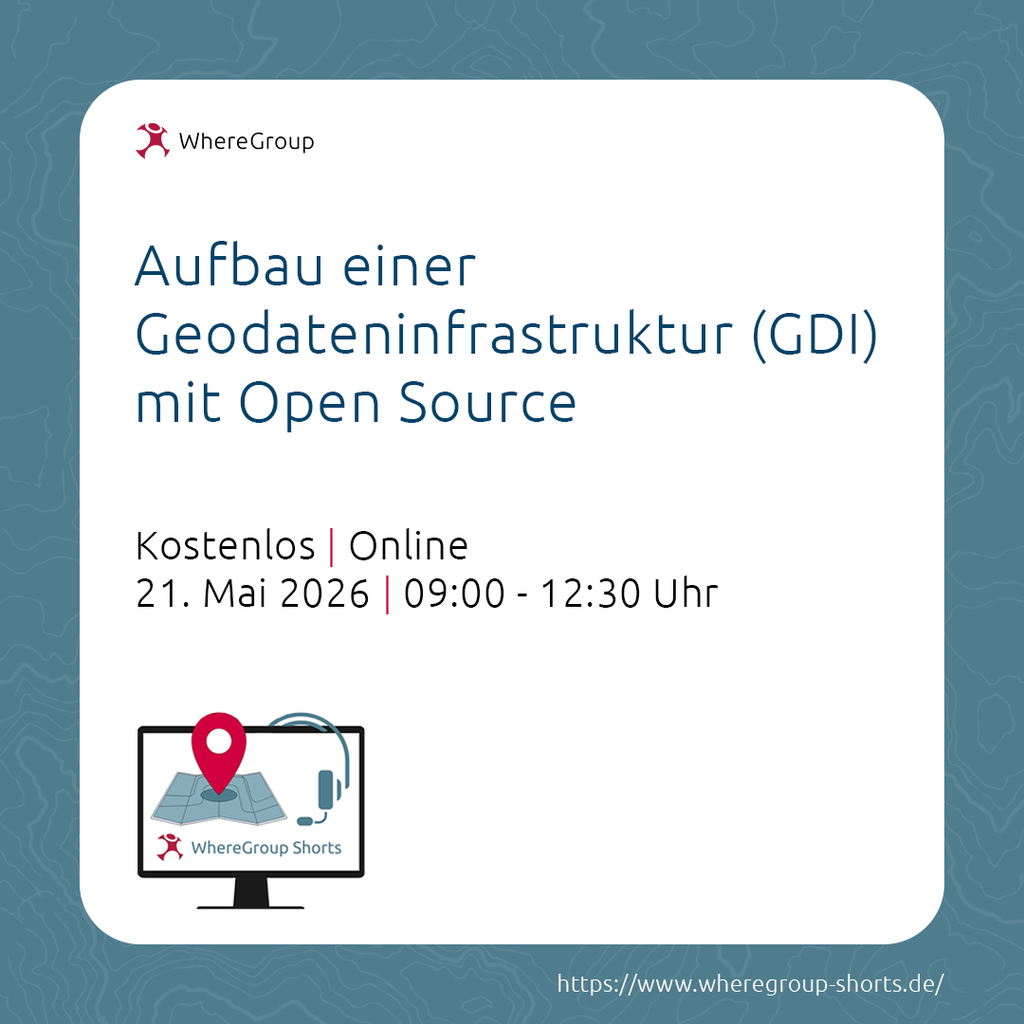
WhereGroup Shorts am 21. Mai – kostenlos & online 💡
💪 Geodaten sind nur so wertvoll wie ihre Zugänglichkeit – für Kollegen, Abteilungen & Partner.
👀 Jörg Thomsen zeigt praxisnah, wie Geodaten aus Datenbanken als standardisierte Dienste ins Netz kommen. Verständlich erklärt & mit konkreten Beispielen.
🗓️ 21. Mai | 09:00–12:30 Uhr |📍 Online
Programm: 👇
https://www.wheregroup.com/ueber-uns/events/wheregroup-shorts/programm
Anmeldung: 👇 https://us06web.zoom.us/webinar/register/WN_m4463lkzQbqT1taHtTJd6A#/registration
#GDI #Geodaten #OpenSource #WhereGroupShorts
Show Original Post
feed (@feed@igeek.gamer-geek-news.com)
🐧 21 Best Free and Open Source Linux Video Converters
The best video converters make the process simple, and support a wide number of different codecs and formats. The post 21 Best Free and Open Source Linux Video Converters appeared first on LinuxLinks.
📰 Source: LinuxLinks
🔗 Link: https://www.linuxlinks.com/best-free-linux-video-converters/
Show Original Post
linuxiac (@linuxiac@mastodon.social)
PipeWire 1.6.4 is now available, addressing JACK glitches, Bluetooth issues, ALSA sequencer crashes, and LADSPA plugin loading problems.
https://linuxiac.com/pipewire-1-6-4-multimedia-framework-released/
#linux #multimedia #opensource
Show Original Post
kiltedtux (@kiltedtux@mastodon.social)
Linuxiac: PipeWire 1.6.4 Multimedia Framework Released With JACK, Bluetooth, and ALSA Fixes
https://linuxiac.com/pipewire-1-6-4-multimedia-framework-released/
#linux #opensource #tech
Show Original Post
w (@w@videos.ikacode.com)
Formation Penpot - Partie 7 : Les composants
https://videos.ikacode.com/w/s6GVsBryns3LZKJyxMwFr3
Show Original Post
6565-2 (@6565-2@beitmenotyou.online)
Cal.com has made a significant change that might have wider effects than it seems at first glance.
Cal.com has moved its main service from open source to closed source, citing new AI-driven security threats as the reason. The company now limits public access to its production code and offers Cal.diy, an independent MIT-licensed fork, for those who want to self-host. This shift affects end-user trust, transparency, and how technical leaders assess software control, auditability, and long-term risk.
This overview covers Cal.com’s recent changes, why they matter, and key trends in open source and digital trust for industry professionals.
Cal.com has moved its production code from GitHub to a private repository. The main service code is no longer open for public review or contributions. The company also introduced Cal.diy, a separate community project under the MIT license. This fork is for people who want to self-host and have full control without commercial or licensing limits.
According to Cal.com, the catalyst for this change is the growing risk posed by AI-powered tools, which can rapidly scan public codebases for vulnerabilities and potentially expose customer data. The company argues that keeping its production code private is necessary to better protect users and maintain security in an age where automated threats are increasingly sophisticated.
Although this might look like a small change in scheduling Technology, it has bigger consequences for anyone who cares about software transparency.
Open source earned end-user trust via transparency and openness. When a company known for openness says those values are now risky, it prompts a broader discussion.
If you care about self-hosting, open software, or reliable business platforms, Cal.com’s change deserves careful attention. It brings up important questions about software control and the limits of open source in today’s security environment.
What actually changed
Cal.com shifted to a closed-source model, ending public access to its main scheduling codebase. The former public repository was replaced by Cal.diy, an open-source, self-hosted project. While Cal.diy serves the open source community, Cal.com’s commercial code is now private. Cal.com clarifies that the ‘commercial edition’ is now ‘source available’, viewable but not freely usable or modifiable. This affects how the community can audit, trust, or contribute to the main product.
Cal.diy is now the main public repository and is presented as a fully open-source fork. All proprietary and commercial code has been removed. Cal.diy is 100% MIT-licensed, requires no license key, and lacks enterprise edition features. It is made for those who wish to self-host, keep data control, and avoid commercial restrictions. Users can run, modify, and share with minimal barriers, in line with open-source values.
Cal.com isn’t just shutting out the community; it still offers a strong open-source alternative. However, most users can no longer review the hosted service for security, add features, or contribute to it. The open-source version is now a separate project, and there’s no promise that new ideas will move between the open and closed versions.
Why Cal.com says it made this move
Cal.com says its choice is based on cybersecurity realities. AI-powered tools rapidly scan codebases for vulnerabilities. These tools let attackers analyse, find flaws, and generate exploits much faster than before. Previously, finding bugs required human effort; now AI tools flag issues at a new speed and scale.
Cal.com handles sensitive data like schedules, emails, tokens, and third-party integrations. Keeping the production codebase public could put users at risk. Even minor vulnerabilities could be exploited quickly. Closing the source adds friction for attackers, making automated reconnaissance harder.
Cal.com says its production code differed from the public version. Major rewrites of authentication, data operation, and integrations are now proprietary. The public codebase no longer duplicates the commercial service. The open source project is now a parallel effort with different priorities.
This change isn’t about being dishonest. It signals a new relationship between the company and its community. In the past, being an “open source company” meant honesty and shared influence. Now, public and private codebases have different roles, and community contributions no longer go straight into the main product.
Why the wording matters so much
Licensing, branding, and what users expect are now more important than ever. Many people think that just seeing the code means it’s open source, but the OSI makes a clear distinction.
The OSI states that open source is more than visible code. Software must be freely accessed, used, modified, and redistributed by anyone. The license must guarantee source access, the right to create derivative works, and free redistribution, without usage limits.
The difference between open source, source available, and closed source isn’t just about wording. It affects what users and developers are allowed to do. Cal.com’s decision marks a real shift in user rights, not just a name change.
Open source
Open source means users can freely use, study, modify, and share the software, as guaranteed by the license. The community can fork, examine for security, and extend the project without fear of losing these rights.
Source available
Source available allows viewing the code, but typically restricts modifying, redistributing, or using it for commercial purposes. Users may mistakenly assume open-source freedoms, but these rights are not guaranteed, and access could be restricted.
Closed source
Closed source means the production code is private. Users cannot inspect, modify, or adapt the software, and there are no guarantees of continued access or control over it.
For developers, startups, and organisations, these differences are critical. Open source licenses can shape business models, security, and trust. Mistaking a source for open source can lead to strategic mistakes and risks.
Many users see a “public repo” and assume freedom and stewardship are guaranteed. Without license protection, access can be revoked with little warning.
What self-hosters still have, and what they do not
Cal.diy is a truly public, MIT-licensed project. This isn’t just for show; the source code is open, and the documentation makes it clear that Cal.diy is for people who want to run their own instance without enterprise restrictions or locked features. There are no hidden barriers, no paid-only features, and no intentional limits on the open version. The goal is to let skilled users manage their own calendar setup independently.
But self-hosting Cal.diy is more complicated than it might look at first. The documentation clearly warns that Cal.diy is meant for personal, non-production use. Running it yourself requires advanced technical skills, including server administration, database management, network setup, and adherence to security best practices, especially for sensitive data such as calendar events and user credentials. There’s no official hosting or support, so you’re responsible for everything: setup, updates, backups, monitoring, and compliance. This is much more involved than the easy, one-click installs offered by some open-source projects.
- Key operational responsibilities for self-hosters include:
- Initial setup and configuration of servers and databases
- Ongoing software updates and patch management
- Scheduled security monitoring and vulnerability assessment
- Data backup and restoration procedures
- Monitoring for uptime and incident response planning
- Compliance with relevant data privacy and regulatory requirements
- Managing user access, authentication, and sensitive integration tokens
- Implementing disaster recovery and business continuity measures
Because of these requirements, Cal.diy is best suited for organisations and individuals who can treat it as a serious infrastructure project, not just a simple app. Small teams without IT support or casual users looking for an easy alternative to SaaS could struggle and risk data loss or security issues if they don’t closely follow best practices.
There’s another important point in the Cal.diy contribution guide: any code or fixes added to Cal.diy won’t be included in Cal.com’s main service. This isn’t simply a technical split; it’s also an organisational and strategic one. Cal.com’s main service is now closed source and developed in-house, while Cal.diy is run openly by the community. So, even valuable community contributions stay within Cal.diy and don’t affect the commercial version.
For developers and contributors who helped shape Cal.com’s main product, this is a big change. The company has closed the usual path for community-led improvements to reach the main service. Now, contributors can still help other self-hosters and open-source users, but their work won’t impact the commercial platform’s features or direction.
Enterprise users of Cal.com’s commercial platform now get support and updates through private channels. They receive updates, security patches, and help directly from Cal.com’s support team, not through a public repository. This means the company handles maintenance and incidents internally, but the community can’t quickly spot or fix security issues in the production code. Leaders should consider that this closed support model depends more on Cal.com’s internal processes than on open collaboration.
For the wider community, this change redefines what “open” means for Cal.com. Users get a real open-source option, but it comes with additional requirements and limits, and their contributions are now separate from the company’s main product.
Why this matters beyond one app
You don’t have to use Cal.com for this to matter. The bigger issue is trust in the digital technologies and platforms that people, businesses, and communities rely on every day.
The heart of the issue is trust, not just in a specific brand, but in the promises that open source and self-hosting have made for decades. Much of the modern self-hosting and open-source movement has been built on a simple yet powerful contract: if you choose tools that are truly open, keep your data under your own control, and reduce your reliance upon external platforms, you are investing in long-term autonomy. The underlying belief is that openness fosters transparency, forkability, adaptability, and resilience in the face of shifting business priorities or technological change. When you run open software, you expect that you and the wider community can always audit the code, migrate your data, and shape the project’s future if the founding maintainers change course.
The Cal.com example shows that “open” can mean many things. Just having a public repository or open source branding doesn’t guarantee real software freedom or future control. Companies might still control the roadmap, the main code, the hosted service, the brand, and the line between community and commercial versions. In these cases, your freedom depends not just on the license but also on the company’s long-term goals and how much you can trust them to keep their promises. Relying only on good intentions, without strong guarantees or an independent community, can be risky.
This doesn’t mean you should give up on open software or self-hosting. Instead, it’s a Signal to look more closely at what kind of openness and control you really have. Are you covered by a strong license? Is the community independent? Could you keep the project going if the company changes direction or shuts down? These questions help you decide if your trust is solid or if it could vanish when you need it most.
The uncomfortable question underneath this move
Here’s where Cal.com’s move from open to closed source turns into real choices about your digital independence, resilience, and risk. If you rely on Cal.com or similar tools, now is the time to review not just what you use, but how prepared you are for the future.
Action Checklist for Technical Leaders:
Identify exactly which Cal.com product or codebase your organisation relies on (commercial hosted, Cal.diy, or a legacy version)
- Document all dependencies, integrations, and downstream systems connected to your Cal.com deployment.
- Review your access rights: clarify whether your solution is open source, source available, or closed source.
- Assess operational preparedness for self-hosting, including updates, security, backup, and compliance procedures.
- Evaluate your risk appetite and priorities (convenience vs openness and control)
- Confirm your ability to export data and, if needed, establish a migration or exit strategy.
- Assign ownership for monitoring upstream changes, project health, and license shifts.
- Record findings and communicate updates and action plans to key stakeholders
With this checklist, technical leaders can begin an internal assessment to ensure changes to Cal.com’s licensing or product model don’t compromise their autonomy or operations.
Step 1: Precisely Identify Your Product and Source of Truth
Start with a thorough audit:
- Are you relying on the current hosted Cal.com commercial service (now with a closed production codebase)?
- Have you migrated to the Cal.diy MIT-licensed open-source fork, developed independently?
- Are you still running an older self-hosted version, based on the first public codebase?
- For enterprise self-hosters, have you received or are you expecting an invitation to the new private repository?
Each of these options carries different consequences for support, transparency, control, and long-term sustainability.
Step 2: Audit Your Real-World Dependencies
- List all integrations, plugins, or downstream systems that rely on your Cal.com deployment.
- Document what would break if the service changed, was disrupted, or if you lost access to updates, plus bug fixes.
- Consider not just core functionality, but also data export/import, authentication, calendaring integrations, and user management.
Step 3: Analyse Your Risk Appetite and Priorities
- If you mainly want convenience and vendor support, the hosted commercial service might be enough. But keep in mind, it’s now a black box you can’t audit, change, or fork the code.
- If you need to audit the code, customise features, or stay independent from vendor choices, Cal.diy is a better fit. But be aware, you’ll have to manage updates, security, backups, compliance, and disaster recovery yourself.
Step 4: Go Past Surface-Level Openness
- Don’t assume that just having a GitHub repo means you have real software freedom.
- Examine the license: Is it truly permissive (like MIT, Apache, GPL) or “source available” with restrictions?
- Who owns the roadmap, who merges contributions, and what is the process for handling security and major architectural changes?
- Are community contributions integrated into the production code, or is the project effectively split?
Step 5: Plan for Company or Project Changes
- Could you maintain your deployment if Cal.com were acquired, pivoted, or shut down?
- Do you have the technical capacity to run, secure, and patch your instance independently?
- Is your data portable? Can you export and migrate to another platform, or even continue with a fork if necessary?
Step 6: Institutionalise This Assessment
- Make this kind of review a regular part of your organisation’s Technology governance, not just a once-off reaction to change.
- Assign ownership for monitoring upstream changes, license notices, and project health.
Step 7: Document and Communicate
- Write down your findings, choices, and the reasoning behind them.
- Ensure that your team and stakeholders know the operational and managerial implications of your chosen path.
Step 8: Community and Ecosystem Engagement
- If you depend on the open source fork (Cal.diy), consider contributing back: bug fixes, documentation, or security patches can strengthen the ecosystem for everyone.
- Connect with others in similar situations to share best practices, troubleshooting tips, and even pool resources for long-term maintenance.
Final Thought:
These questions and steps might feel tedious, but they’re what separate true digital control from future problems. In a context where “open” can mean anything from real freedom to just marketing, only careful review and persistent attention will protect you and your organisation.
This is where realistic considerations become critical and where a thoughtful review of your setup and risk exposure is essential in light of Cal.com’s changes.
If you rely on Cal.com or any similar tool for scheduling or critical business functions, now is the moment to conduct a thorough audit of your infrastructure and dependencies. Don’t just assume your present setup is future-proof: determine which product or codebase underpins your operations. Are you using the main hosted Cal.com service (now closed source), the newly launched Cal.diy MIT-licensed project (maintained independently from the main product), or a legacy self-hosted deployment based on the previously public code? Each of these paths comes with different levels of transparency, control, support, and long-term risk. If you’re an enterprise self-hoster, Cal.com states that you will receive an invitation to the private repository; for everyone else, Cal.diy is the public-facing, community-maintained option.
Inventory Your Dependencies
Make a comprehensive list of which scheduling products, plugins, or integrations your workflows depend on. Identify which version you are running, what its licensing model is, and whether you rely on hosted services or self-hosted infrastructure.
Map Out Your Actual Exposure
For each dependency, ask: What would happen if this service were discontinued, closed further, or changed its licensing terms? Would your team be able to maintain or migrate the code, or would you be locked in?
Explain the Source and Support Model
Are you on the hosted commercial service, which now relies on closed code? Are you using Cal.diy, which gives you code access but requires you to manage everything from updates to security? Or are you on a legacy branch, which may no longer receive active maintenance or security fixes?
Assess Operational Preparedness
If you are considering or are currently self-hosting, do you have the technical resources and processes in place to handle server administration, database management, security patching, backups, and compliance? If not, what would you need to put in place to maintain reliability and safety?
Reevaluate Your Risk Model
If your top priority is convenience and you can accept more platform risk, the hosted product may suffice. If you require software freedom, transparency, and control, the open source path is better, but only if you’re ready for the operational burden.
Look Past Surface-Level Signals
Stop treating “has a GitHub repo” as proof of long-term sovereignty. Public code hosting does not guarantee future access, forkability, or influence over the roadmap. Instead, dig into:
- Who controls the production code and roadmap?
- What are the licensing terms? Are they permissive, copyleft, or restrictive?
- Do external contributions actually shape the product, or are they siloed in a fork?
- Can you realistically fork, maintain, and keep the tool running if the company pivots?
- Plan for Change:
Ask yourself: If this tool were to close further or the company were acquired, do you have an exit strategy? Can you export your data, transition to another solution, or maintain your own fork?
These questions may appear tedious or even negative, but they’re critical for anyone relying on digital infrastructure in a fast-changing world. Clear answers help you avoid surprises and ensure your choices align with your goals for transparency, control, and sustainability. In the end, careful review, not just surface signals, will protect your operations and your independence.
Summary of Key Recommendations for Technical Decision-Makers:
- Precisely identify which Cal.com product or codebase you are using, and comprehend its licensing and support model.
- Audit all current dependencies, integrations, and critical workflows tied to your scheduling infrastructure.
- Assess your operational preparedness for self-hosting, including security, updates, and disaster recovery.
- Examine the openness of your chosen solution beyond surface indicators; dig into license terms, roadmap control, and contribution pathways.
- Develop a distinct exit and migration strategy for major product or licensing changes.
- Make these assessments a regular part of your Technology governance and keep stakeholders notified.
By adhering to these steps, you can make smart choices that protect your organisation’s independence and strength.
What this means for digital sovereignty
This is where big ideas about open source, trust, and control turn into real decisions that shape your future flexibility and security.
If you use Cal.com or a similar scheduling tool, now is the time to review your setup and risks. Don’t assume what works today will work tomorrow, or that you’ll always have the same control and reliability. Here’s how to take a closer look:
1. Precisely Identify Your Dependency:
First, determine exactly which Cal.com product or version underpins your operation. Are you using the hosted, closed-source commercial service? The new Cal.diy MIT-licensed project, which is independently maintained and self-hosted? Or an older self-hosted deployment based on the now-defunct public codebase? If you’re an enterprise self-hoster, you may receive an invitation to a private repository; otherwise, Cal.diy is likely your only open route forward. Grasping this distinction is critical, as each option comes with drastically different levels of transparency, community support, and long-term control.
2. Audit Your Full Risk Model:
Consider the possible impact if your current path becomes unavailable or unsupported.
- If the hosted service were to restrict features, raise prices, or even shut down, how would this affect your workflows?
- If Cal.diy is your choice, what are the consequences of having to manage everything from updates to security to scaling without official support?
- If you’re on a legacy version, are you exposed to unpatched vulnerabilities or future incompatibility?
3. Align Your Priorities With Your Choices:
- If convenience, vendor support, and worry-free updates are your main priorities, the hosted commercial product may still serve your needs, but you must accept the trade-off: less disclosure and dependence on the company’s continued goodwill and business health.
- If you value auditability, software freedom, and the ability to customise or fork the codebase for sustained endurance, Cal.diy offers those freedoms but only for people ready to shoulder the serious operational burden and technical risk.
4. Go Beyond “Public Repo” Thinking:
In today’s landscape, simply seeing a GitHub repository is no longer sufficient as a marker of true openness or future-proofing. Dig deeper:
- Who controls the roadmap?
- Is the core production code actually public, or is the public project a separate, parallel fork?
- What is the license, and does it guarantee your rights to use, modify, and redistribute the code?
- Are contributions from the community accepted into the main product, or are they kept in silos?
- If the company or project lead changes direction, can you realistically continue independently?
5. Develop a Contingency Plan:
- Back up your data and ensure you can export and migrate if necessary.
- Stay up to date on project and company announcements, and monitor not just code changes, but also changes in governance, licensing, or the business model.
- If you require lasting stability, consider adding to the community fork or cooperating with others to build shared tooling and documentation that can outlast any single company’s involvement.
6. Institutionalise Due Diligence:
Make these assessments a regular part of your Technology review process, not just for Cal.com, but for any critical infrastructure. The questions may seem tedious, but they are essential to avoid vendor lock-in, sudden loss of control, or costly last-minute migrations.
7. Share Knowledge Across Your Organisation:
- Ensure that decision-makers, administrators, and technical staff all understand the realities and responsibilities of your chosen path.
- Document your setup, your rationale for using a particular product or fork, and your exit strategy if situations change.
These steps might seem dull or excessively careful, but they’re the foundation for real digital independence and steady operations. As the meaning of “open” keeps changing, asking these questions and adopting these practices will help you avoid surprises and maintain control over your digital future.

Show Original Post
Arint (@Arint@arint.info)
RT @MiniMax_AI: Schön zu sehen, dass @openclaws Arbeit wieder aufgenommen hat. Ein kleiner Flex: MiniMax ist das einzige Labor mit Abonnements für beide Seiten des Stacks — OpenClaw und den Hermes-Agenten von @NousResearch. 🛠️ Self-hosted → Token-Plan ab $10/Monat auf-minimax.io/subscrib… ☁️ Cloud-hosted (MaxClaw / MaxHermes) → MiniMax Agent auf agent.minimax.io/pricing Wähle deinen Loop. Dan McAteer (@danielmac8) Anthropic erlaubt OpenClaw-Nutzung wieder. Aus @openclow docs. — https://nitter.net/danielmac8/status/2046547526413644272#m
mehr auf Arint.info
#AI #CloudComputing #LLM #MachineLearning #OpenSource #arint_info
https://x.com/MiniMax_AI/status/2046772123054538909#m
Show Original Post
jaenatech (@jaenatech@mastodon.social)
Codex стає інструментом для enterprise-компаній #technology #it #opensource #freeinternet - https://proit.ua/codex-staie-instrumientom-dlia-enterprise-kompanii/
Show Original Post